
Board 4
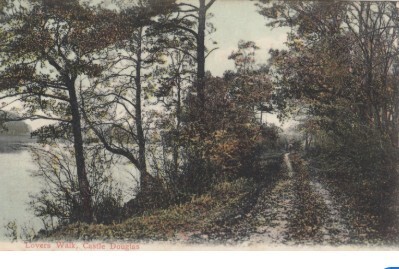
Lover's Walk and Hollan Isle — Landscapes Made and Remembered
Crockett writes of carving paths with hatchets and gardening knives through the brushwood of the small isles at Castle Douglas — his own adolescent making of a landscape, a private world constructed from the available materials of a specific place. "Perhaps they still exist," he adds, "perhaps not." That casual aside holds something precise: land carries the marks of the people who worked it, and those marks may outlast any record of them.
The same ground carries older stories. Crockett engaged deeply with the medieval history layered beneath the Victorian town, drawing on it directly in The Black Douglas and its sequel Maid Margaret. In the crannogs, the island fortifications, and the deep past of the loch he found a continuity that the landscape still held in its contours. In the creative process, he moved freely between his own adolescent memory and centuries of prior inhabitation.
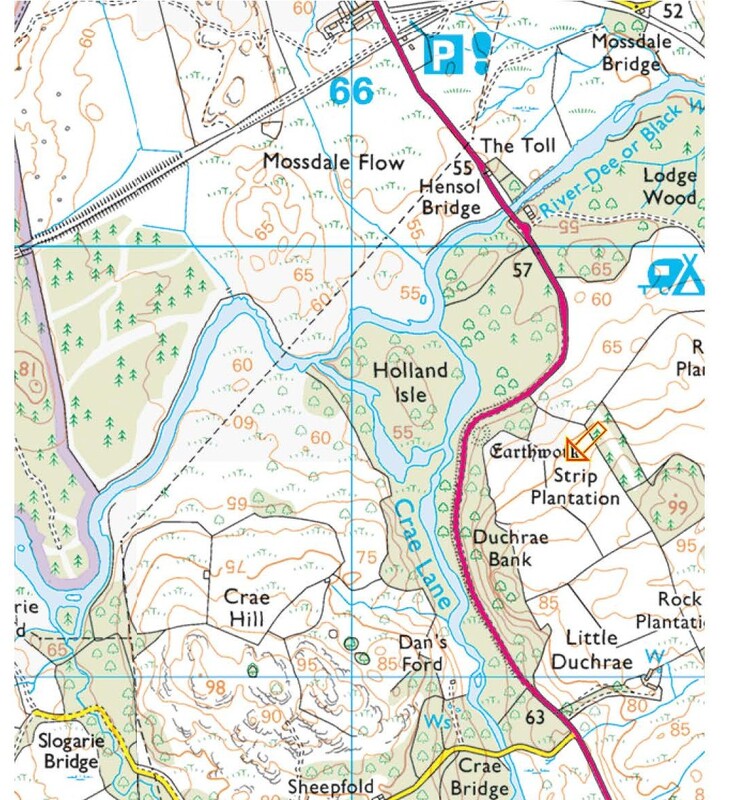
In his fiction, Hollan Isle (also known as Holland Island which is situated near Woodhall/Grennoch Loch) and its surrounding wood become navigable by boat in flood season — adventure grounded in the particular qualities of a real place at a real time of year. The flooded wood is not invented. It is observed and remembered and given back, transformed but recognisable.
This is the pattern across his work: the imagination is always working on material that actually exists. The Galloway he wrote was the Galloway he walked, climbed, and at times got very wet in.